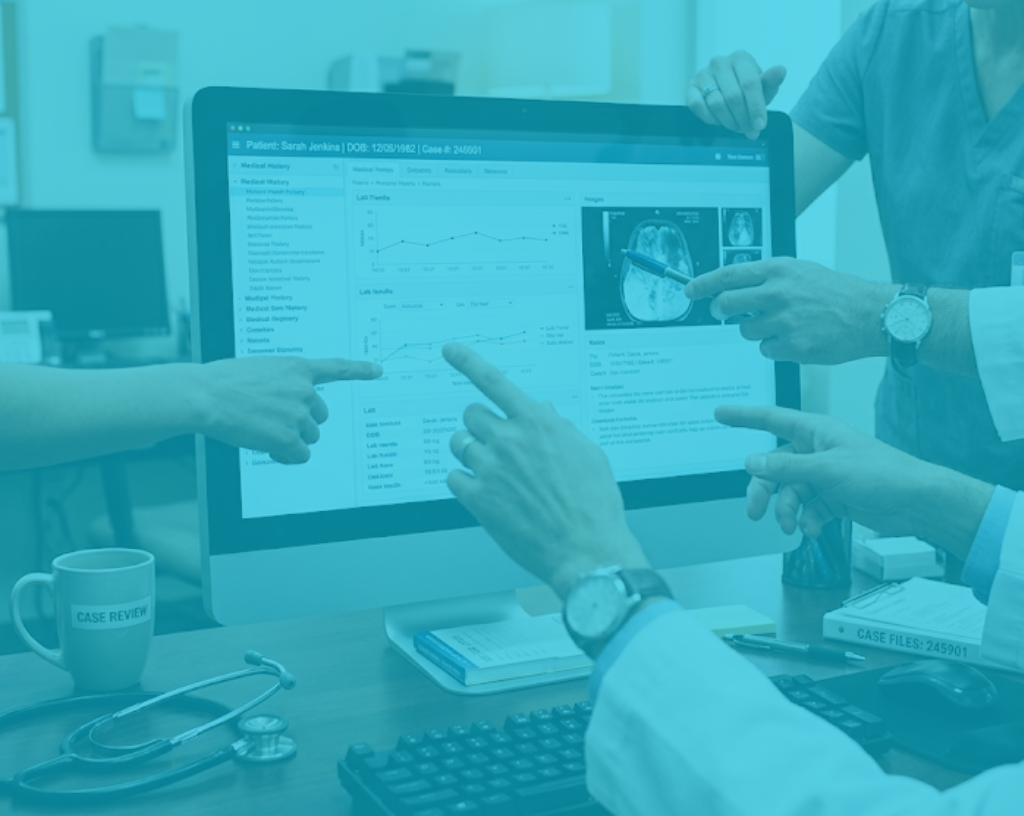
In personal injury litigation, cases rarely move forward through the effort of a single individual. Attorneys, paralegals, case managers, and support teams all contribute to reviewing records, preparing strategy, and managing case progress.
However, collaboration often becomes inefficient when information is scattered across emails, documents, and individual notes. Teams may work in silos, duplicate efforts, or miss critical details due to lack of alignment.
Trivent Legal’s centralized case platform, built on an Expert Intelligence framework, allows litigation teams to work from a single, structured source of truth. This improves coordination, reduces duplication, and ensures that every team member operates with the same case insights.
Why Team Collaboration Breaks Down in Litigation
Collaboration challenges typically arise due to fragmented information and inconsistent workflows.
Common issues include:
- Medical records stored in multiple locations
- Different team members interpreting data differently
- Repetitive review of the same documents
- Lack of visibility into case progress
- Delays in sharing critical updates
As case complexity increases, these inefficiencies slow down progress and increase the risk of oversight.
What a Centralized Case Platform Changes
A centralized platform brings all case data, insights, and analysis into one unified environment.
With Trivent Legal’s platform, teams can:
- Access structured case data in one place
- View consistent medical timelines and insights
- Collaborate without duplicating work
- Maintain alignment across all stages of litigation
This eliminates fragmentation and creates a more efficient workflow.
1. Creating a Single Source of Truth for Case Data
One of the biggest advantages of a centralized platform is having a unified view of the case.
All team members can:
- Access the same structured medical data
- Review consistent timelines and insights
- Work from the same case narrative
- Avoid conflicting interpretations
This ensures that everyone is aligned from intake through settlement or trial.
2. Reducing Duplication of Work Across Teams
Without a centralized system, multiple team members often review the same records independently.
The platform eliminates this by:
- Providing pre structured case insights
- Allowing shared access to analyzed data
- Preventing repeated manual review
- Streamlining task allocation
This significantly improves efficiency and reduces wasted effort.
3. Improving Communication Between Attorneys and Support Staff
Clear communication is essential for effective case management.
With a centralized platform:
- Attorneys can quickly access updates from support teams
- Paralegals can identify what has already been reviewed
- Case managers can track progress in real time
- Teams can collaborate without relying on lengthy email chains
This reduces miscommunication and speeds up decision making.
4. Enhancing Case Visibility for All Stakeholders
Lack of visibility often leads to delays and missed opportunities.
The platform provides:
- Real time access to case status
- Clear view of treatment progression
- Immediate visibility into key developments
- Consistent understanding across all team members
This transparency allows teams to act quickly and confidently.
5. Supporting Faster Decision Making
When all relevant information is easily accessible, decisions can be made more quickly.
Attorneys can:
- Evaluate case strengths and risks instantly
- Identify next steps without delay
- Respond to developments in real time
- Prepare for negotiation or litigation efficiently
Faster decisions lead to faster case progression.
6. Improving Workflow Consistency Across Cases
In firms handling multiple cases, maintaining consistency is critical.
A centralized platform helps:
- Standardize case review processes
- Ensure uniform quality across cases
- Apply consistent strategy frameworks
- Reduce variability in team performance
This leads to more predictable and reliable outcomes.
7. Enabling Scalable Collaboration in High Volume Practices
As firms grow, collaboration becomes more complex.
The platform allows teams to:
- Manage larger case volumes efficiently
- Coordinate across multiple attorneys and staff
- Maintain alignment across cases
- Scale operations without increasing inefficiencies
This is especially valuable for high volume personal injury practices.
From Fragmented Workflows to Unified Collaboration
Traditional collaboration often involves:
- Multiple disconnected tools
- Manual sharing of information
- Repeated document review
- Delayed communication
With Trivent Legal’s centralized platform, teams shift to:
- Unified access to case data
- Real time collaboration
- Structured workflows
- Faster and more efficient case handling
This transformation improves both productivity and outcomes.
Why Centralized Collaboration Matters
Effective collaboration directly impacts:
- Case preparation speed
- Quality of legal strategy
- Accuracy of case analysis
- Client satisfaction
- Overall firm efficiency
A centralized system ensures that no information is lost and no effort is wasted.
The Expert Intelligence Advantage
Trivent Legal’s platform combines structured medical expertise with advanced technology.
With Expert Intelligence:
- Medical data is organized by professionals
- Insights are clinically meaningful
- Teams access reliable, litigation ready information
- AI enhances usability and interaction
This ensures both accuracy and efficiency across the entire team.
Final Thoughts
Collaboration is essential in litigation, but without the right systems, it can become a source of inefficiency.
Trivent Legal’s centralized case platform allows attorneys and their teams to work together seamlessly, access consistent insights, and move cases forward faster.
By transforming fragmented workflows into unified collaboration, attorneys can improve efficiency, reduce delays, and deliver stronger outcomes for their clients.